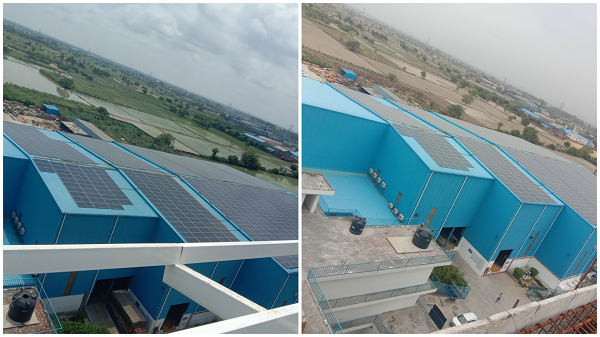
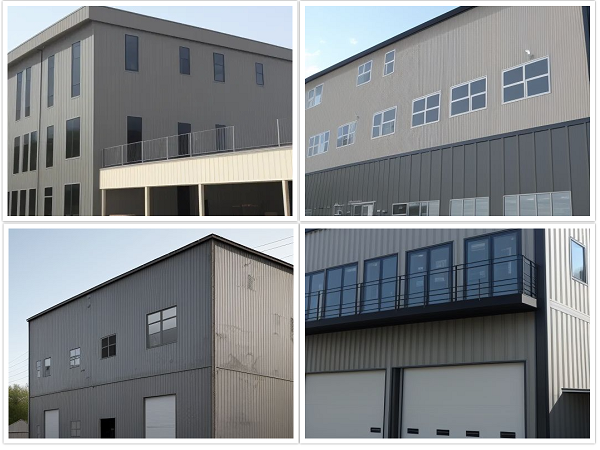
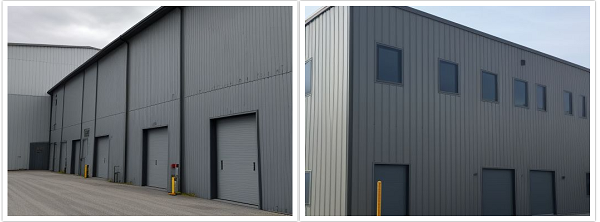
PEB Manufacturers in Delhi
A pre-engineered building (PEB) is a
structure that is designed, engineered, and
fabricated in a factory before being
transported to the construction site for
assembly. It is a type of building
construction that utilizes standardized and
pre-fabricated components to expedite the
construction process and enhance
efficiency.
PEBs are typically made of steel and are
commonly used for industrial, commercial,
and institutional applications. The design
of a pre-engineered building involves the
integration of various building systems,
including the primary framing, secondary
framing, roofing, wall panels, and other
components. These components are
manufactured off-site and then transported
to the construction site for
assembly.
One of the key advantages of pre-engineered
buildings is their speed of construction.
Since the components are pre-fabricated, the
on-site assembly process is streamlined,
resulting in faster project completion
compared to traditional construction
methods. Additionally, PEBs offer design
flexibility, allowing for customization
based on specific requirements and building
codes.
PEBs are known for their structural
strength, durability, and
cost-effectiveness. The steel components
used in pre-engineered buildings provide
excellent strength-to-weight ratios, making
them capable of withstanding various loads
and weather conditions. The use of
standardized components also helps in
reducing material waste and optimizing cost
efficiency.
Overall, pre-engineered buildings offer a
practical and efficient solution for
construction projects that require speed,
flexibility, and cost-effectiveness. They
have become increasingly popular in sectors
such as warehouses, factories, distribution
centers, retail spaces, and sports
facilities.